 Image 1 of 1
Protecting your child from lead starts with knowing where to look.
We teach our children to swim before they fall into a pool. We learn CPR hoping we’ll never have to use it. We install car seats, baby gates and outlet covers because when the consequences can be permanent, prevention matters.
Lead deserves the same approach.
Lead exposure can come from paint and dust, drinking water, soil, food, dishes and cookware, toys, consumer products, renovations, hobbies, and other parts of a child’s environment.
And the stakes are high. Even low levels of lead exposure are associated with effects on a child’s developing brain, including lower IQ and problems with attention, learning and behavior. The neurological damage caused by lead is permanent.
That’s why I created The Lead Lady’s Complete Lead Safety Guide.
I’ve taken everything I’ve learned through years of research, testing, and my own experience as a parent and organized it into one comprehensive, practical system designed to help you understand where lead exposure can happen, investigate your own environment, interpret what you find, and know what deserves your attention.
The Complete Home Lead Audit — a step-by-step process for investigating potential lead sources throughout your home
How to test your own home and belongings — including which testing methods to use, their limitations, and how to interpret your results
Food — how to understand lead levels, serving sizes, and what the numbers actually mean for your child
Drinking water — where lead comes from, how to test, understand your results, and reduce exposure
Cookware and dishes — what to know about ceramics, glazes, glass, metals, and other materials
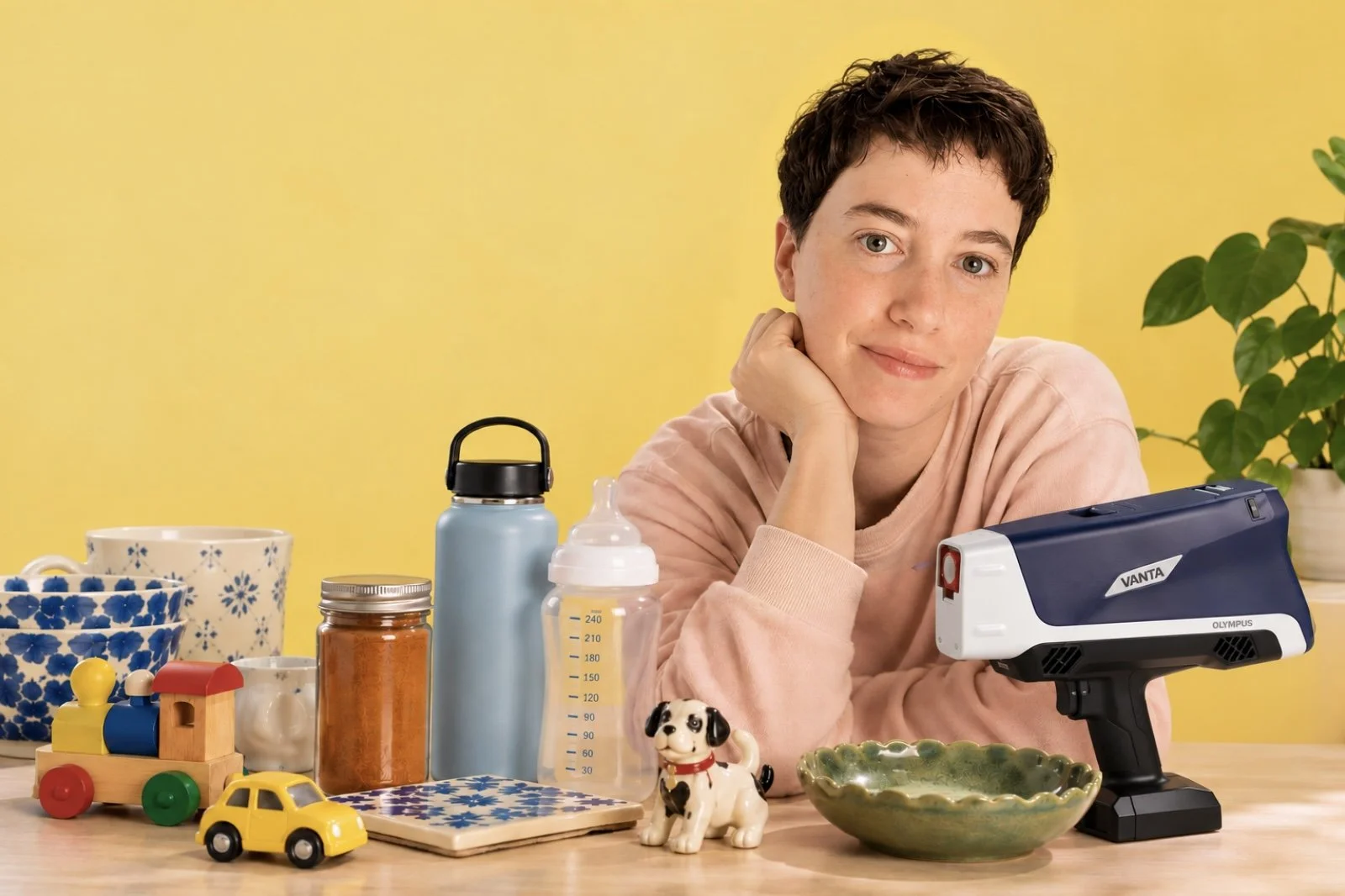
Toys and consumer products — where lead can show up and how to evaluate the things your family uses every day
How to prioritize potential sources so you can focus your time and energy where they matter most
Practical ways to reduce exposure throughout your child’s environment
My Home Lead Investigation Assistant — a tool that researches your specific property and surrounding area using public records, environmental databases, historical information, water-system data, and public-health information to uncover potential lead concerns specific to where you live
You can’t prevent what you don’t know to look for. This guide gives you the knowledge and tools to find potential sources of lead exposure and take action before exposure happens.
Your child only gets one brain. When the effects are permanent, prevention matters.
Learn this stuff once. Learn it well. Then live your life. ❤️
*Includes my 2026 Baby Bottle Report